ECO-SEAROUTES: Cultural Routes join forces for sustainable Mediterranean tourism
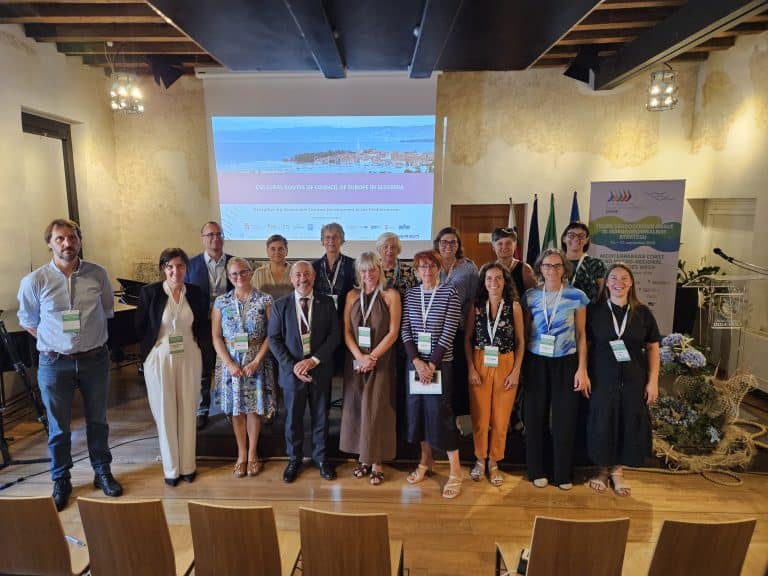
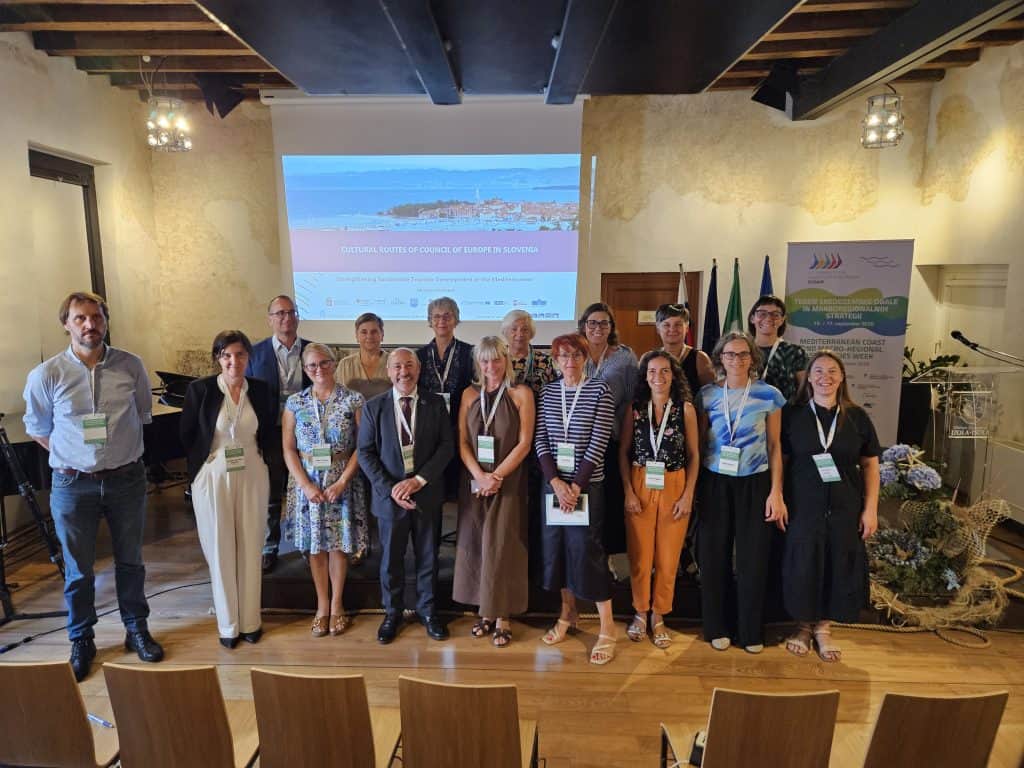
As a partner in the Interreg Euro-MED project ECO-SEAROUTES, the University of Maribor, Faculty of Tourism, actively contributes to the development of more sustainable tourism models in the Mediterranean. On 14 and 15 September 2026, the project brought together representatives of the Cultural Routes of the Council of Europe in Slovenia and Rui Gomes, Executive Secretary of the Enlarged Partial Agreement on Cultural Routes of the Council of Europe and Director of the European Institute of Cultural Routes, on the Slovenian coast.
Our colleague Dr Maja Turnšek actively participated in the event, presenting the ECO-SEAROUTES project and moderating the discussion on the role of Cultural Routes in supporting sustainable tourism in the Mediterranean.
The event was organised as a parallel event to the 11th Mediterranean Coast and Macro-Regional Strategies Week.
The Interreg Euro-MED project ECO-SEAROUTES promotes eco-nautical routes as a way of easing the pressure of mass tourism on the Mediterranean coast. The project aims to develop and disseminate a new tourism model that redistributes visitor flows away from threatened and overcrowded coastal areas and towards neighbouring coastal and inland destinations, while spreading the benefits of tourism more evenly across the region.
Its main ambitions include:
- redistributing tourism flows away from overcrowded tourism hotspots;
- strengthening cooperation across the Mediterranean in the field of sustainable tourism.
The Phoenicians’ Route has been one of the backbones of the ECO-SEAROUTES project. Both ECO-SEAROUTES and the Cultural Routes of the Council of Europe share the same ambition: to guide travellers towards places, heritage and stories that lie beyond the usual tourist trail.
Slovenia currently has network members in 13 certified Cultural Routes of the Council of Europe, while three additional initiatives hope to obtain certification in the future. The event provided an opportunity to bring representatives of the routes together, exchange experiences and discuss possibilities for further cooperation.
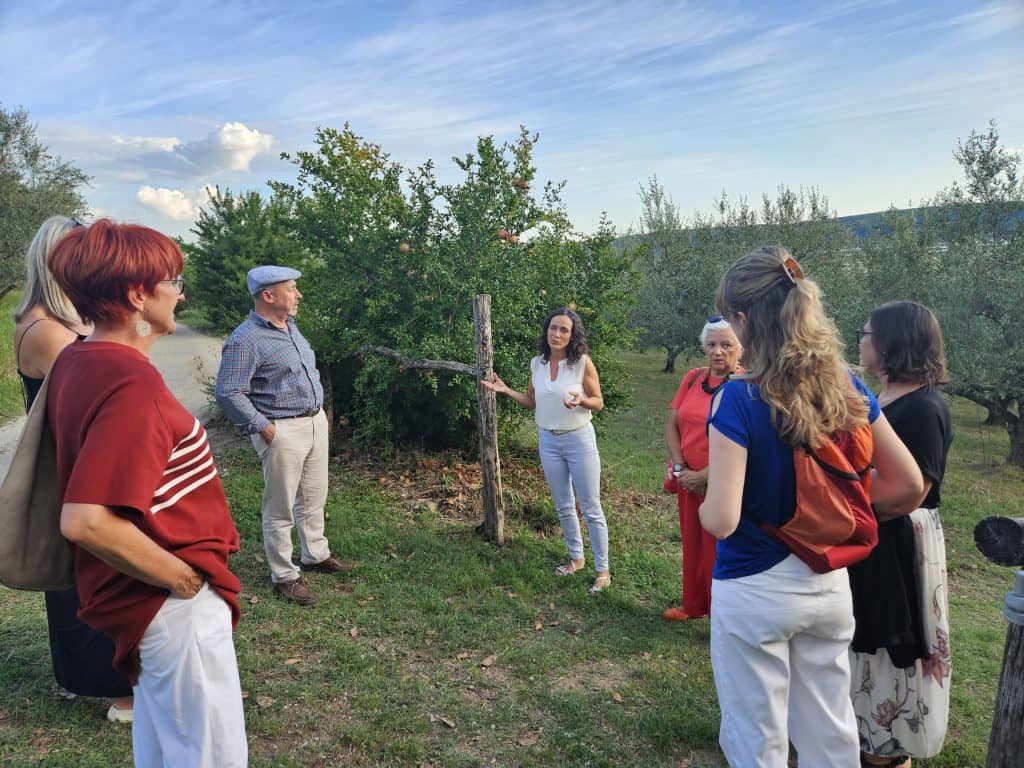
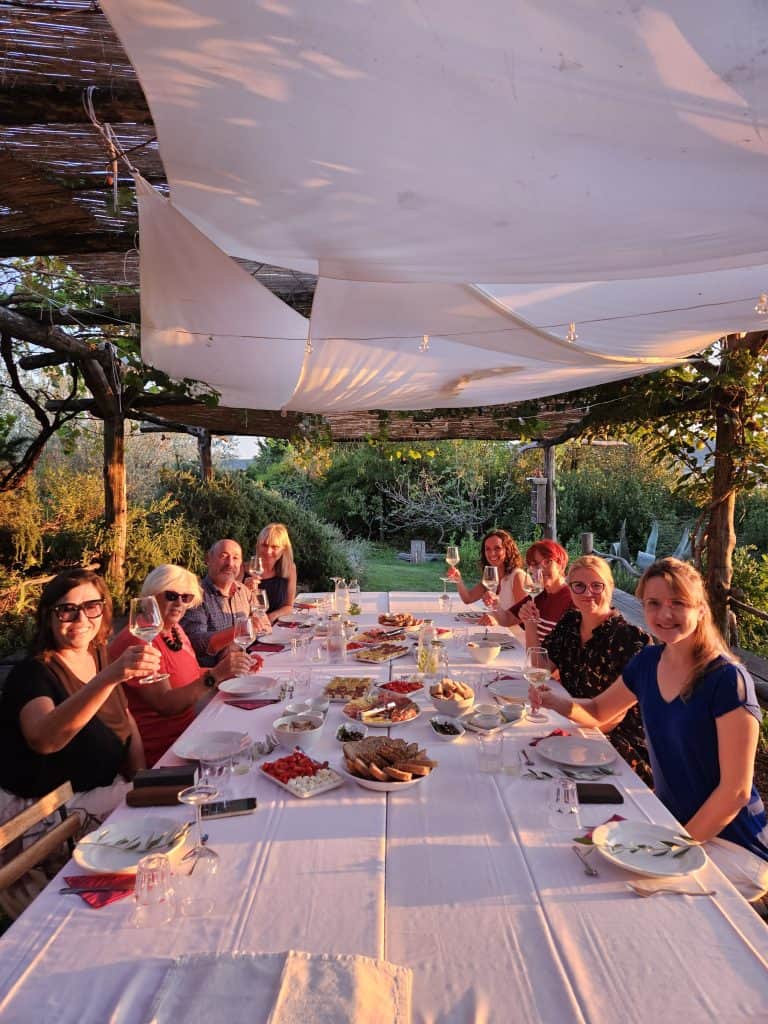
As part of the programme, participants visited Gramona Ecological Olive Farm on the Seča peninsula, presented as an example of good practice in sustainable and environmentally responsible tourism and agriculture.
Rui Gomes, Executive Secretary of the Enlarged Partial Agreement on Cultural Routes of the Council of Europe and Director of the European Institute of Cultural Routes, also participated in several panels of the official programme of the 11th Mediterranean Coast and Macro-Regional Strategies Week.
One of the key sessions was the panel “Cultural Routes in Action: Vision for the Future”, moderated by Irena Marš from the Ministry of Culture of the Republic of Slovenia.
The panellists discussed the potential of the Cultural Routes of the Council of Europe as an established model for advancing sustainable tourism objectives within the framework of EU macro-regional strategies. The discussion highlighted their cross-sectoral contribution to innovative tourism products and sustainable destination management, as well as the importance of cross-border and transnational cooperation in addressing shared challenges.
Particular attention was also given to the European added value of Cultural Routes and the opportunities they may provide for innovative and sustainable investments in the 2028–2034 programming period.
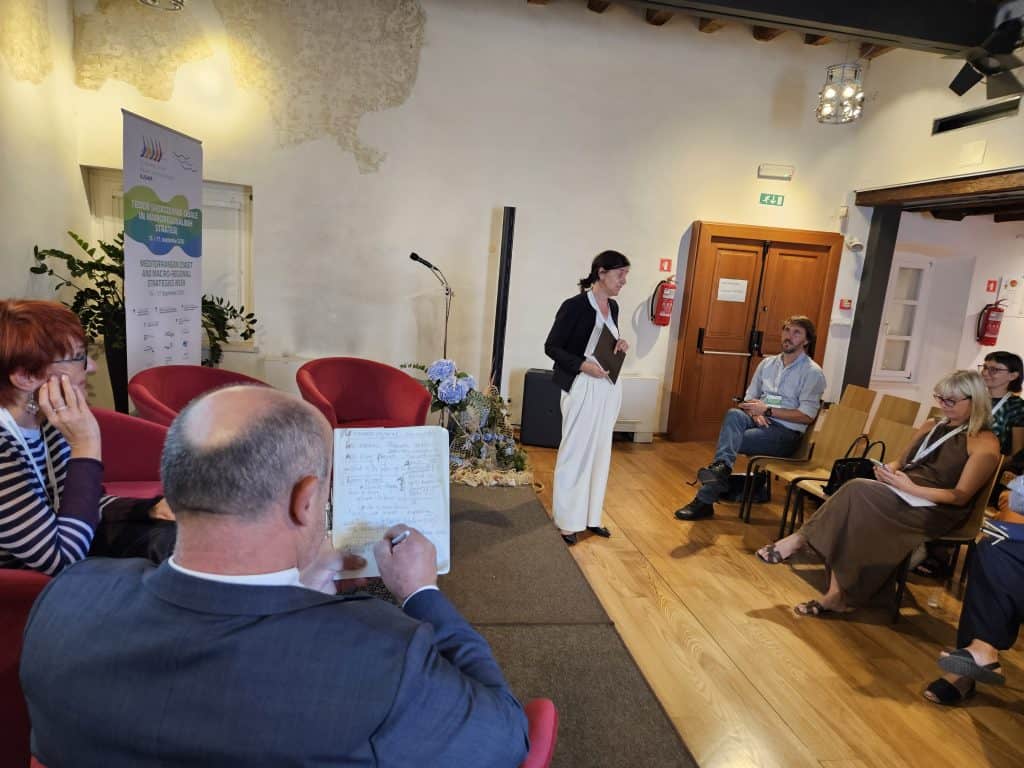
Following the panel, the discussion continued on 15 September in the historic Palazzo Manzioli in Izola, where representatives of the Cultural Routes of the Council of Europe in Slovenia met with Rui Gomes.
The discussion focused on the current state of Cultural Routes in Slovenia, opportunities for further cooperation and their role in achieving more sustainable tourism development across the Mediterranean.
The discussion focused on the current state of Cultural Routes in Slovenia, opportunities for further cooperation and their role in achieving more sustainable tourism development across the Mediterranean.