


Notice to Students Regarding the Possibility of Obtaining Special Status
We want to inform the students that they may apply for the granting of special status if they fall into one of the following categories:
Students belonging to one of the following categories may submit an application for special status:
• top athletes,
• accomplished artists,
• students with a long-term health condition,
• students with disabilities,
• student representatives (the Vice-Rector for Student Affairs, vice-deans for student affairs and the Secretary of the Student Council of the University of Maribor),
• other students who require study adjustments due to particular circumstances.
Students may apply for special status in accordance with the Rules on Students with Special Status at the University of Maribor, No. A5/2010-41 AG, or the Rules on the Study Process of Students with Disabilities at the University of Maribor. More information is available in the regulations listed below:
• Rules on Students with Special Status at the University of Maribor
• Rules on the Study Process for Students with Disabilities at the University of Maribor
The staff at the Student Affairs Office are available to answer any additional questions during office hours.
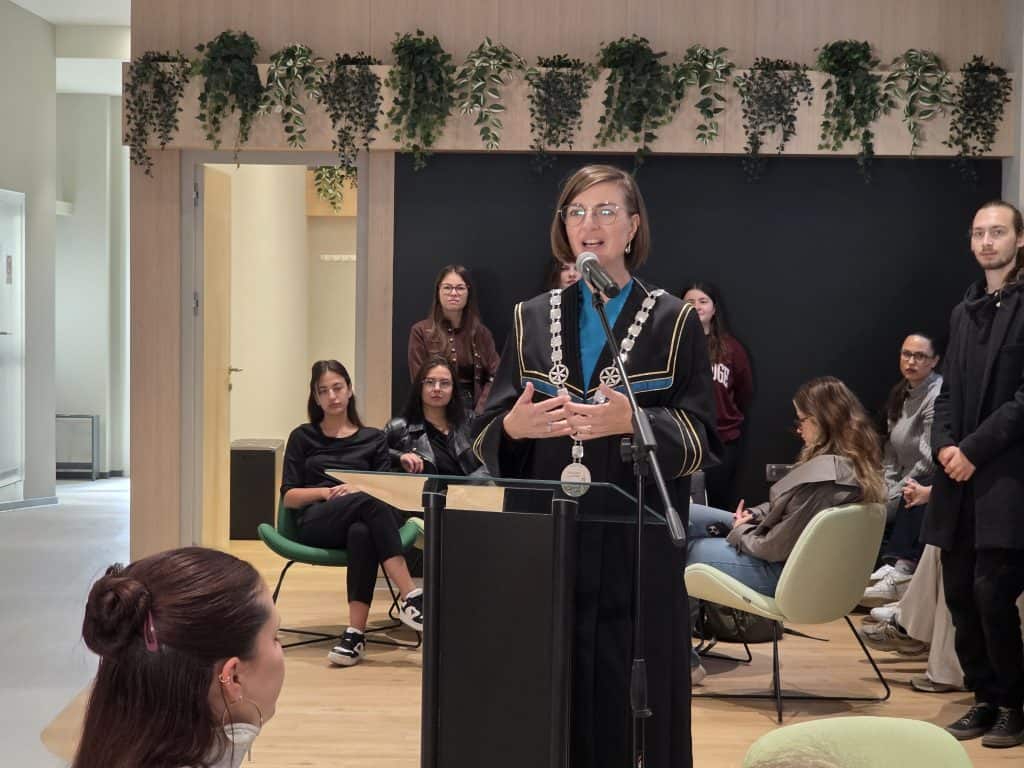
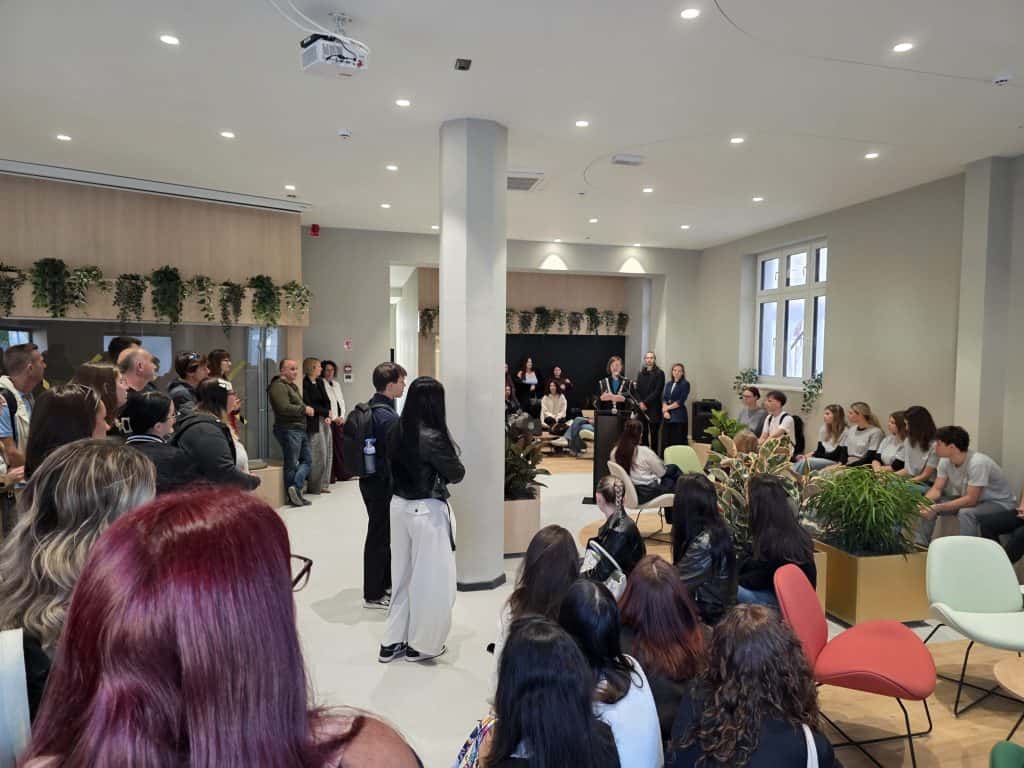
The 2026/27 academic year has begun at the Faculty of Tourism, University of Maribor. This year’s start was a particularly special one, as we welcomed students for the first time in the new entrance hall of our building at Trg izgnancev 1 in Brežice, which is now gradually taking its final shape.
We marked the first day of the academic year with a welcome gathering for students, academic staff and colleagues. The Dean of the Faculty of Tourism, Assoc. Prof. Dr. Marjetka Rangus, addressed those gathered and extended a special welcome to our first-year students as they began a new chapter of their studies with us.
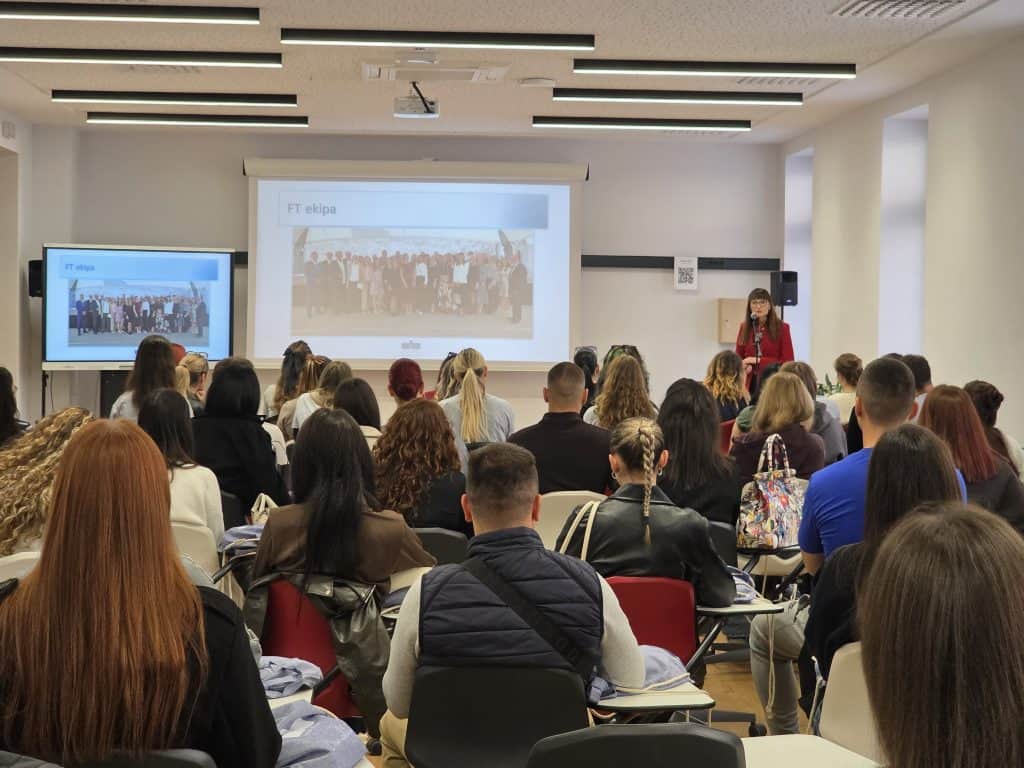
The day continued with an orientation programme for first-year students, introducing them to the key information they will need throughout their studies, the organisation of academic life at the Faculty and the support available to them. Our student tutors also contributed to the programme with a workshop covering key digital tools and practical information to help students navigate everyday university life. In the afternoon, we also welcomed a new generation of master’s students.
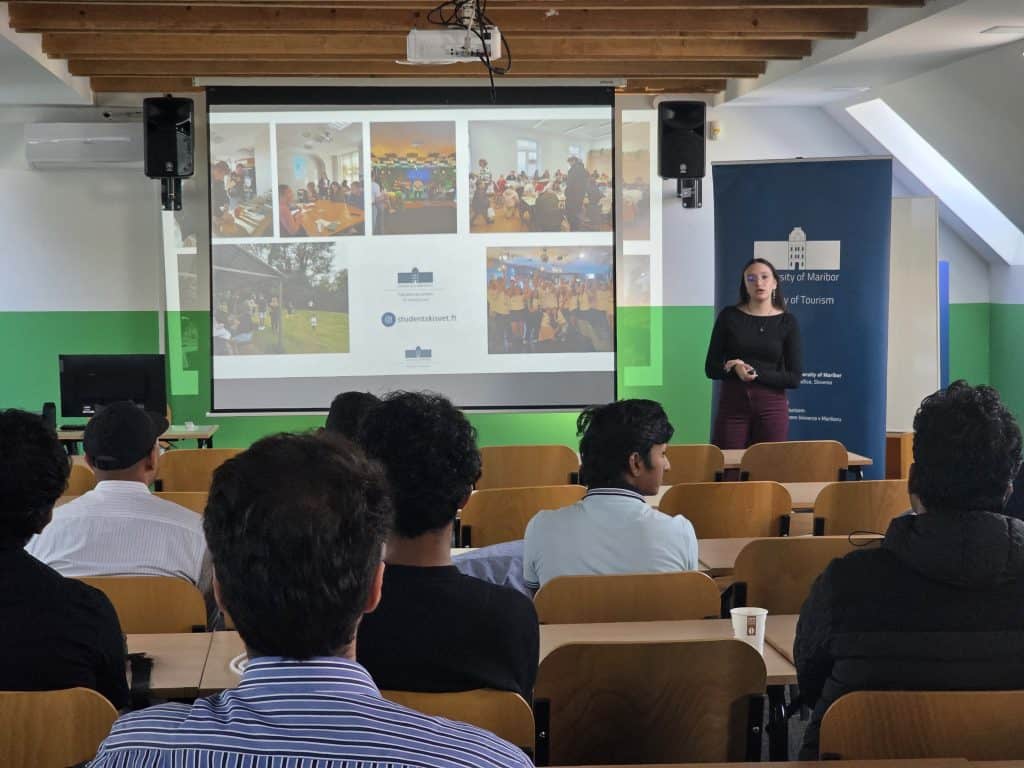
The start of the new academic year was not limited to Brežice. A day earlier, on 30 September, we held an orientation day in Ljubljana for international students enrolled in our English-taught study programmes. The programme introduced them to their studies at the Faculty and provided practical information about studying and living in Slovenia. Our two tutors for international students also led a workshop designed to help students settle into their new academic and social environment.
On 2 October, another group of international students joined our academic community online. As they are not yet able to join us in Slovenia in person, they will begin their studies remotely for the time being.
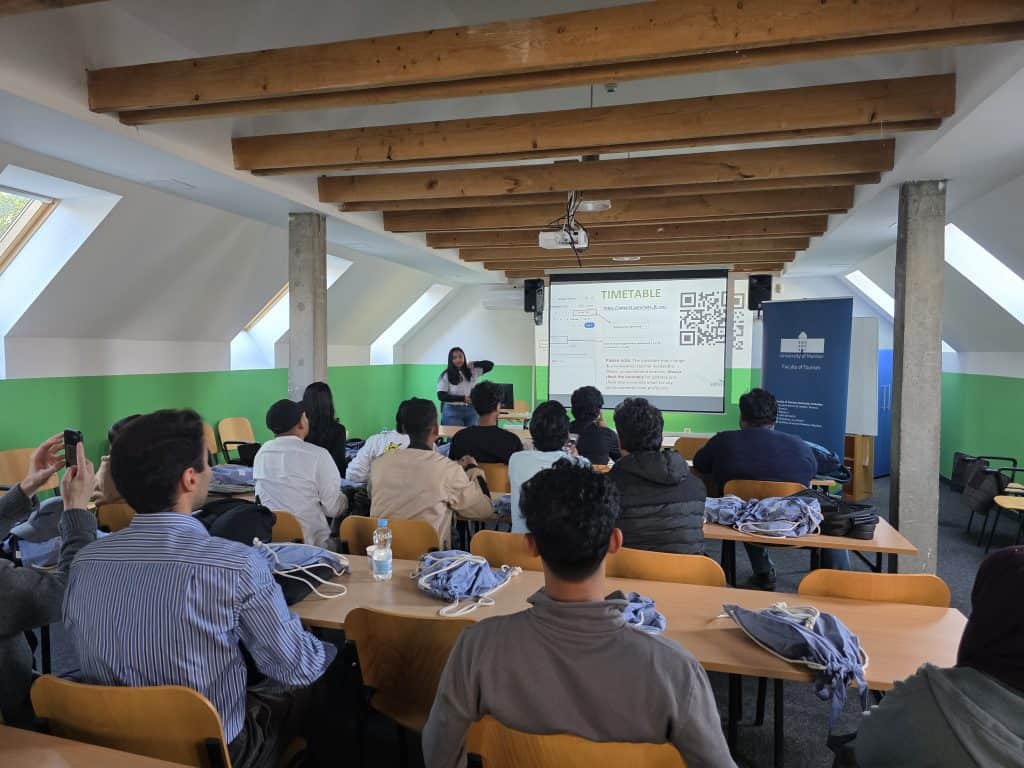
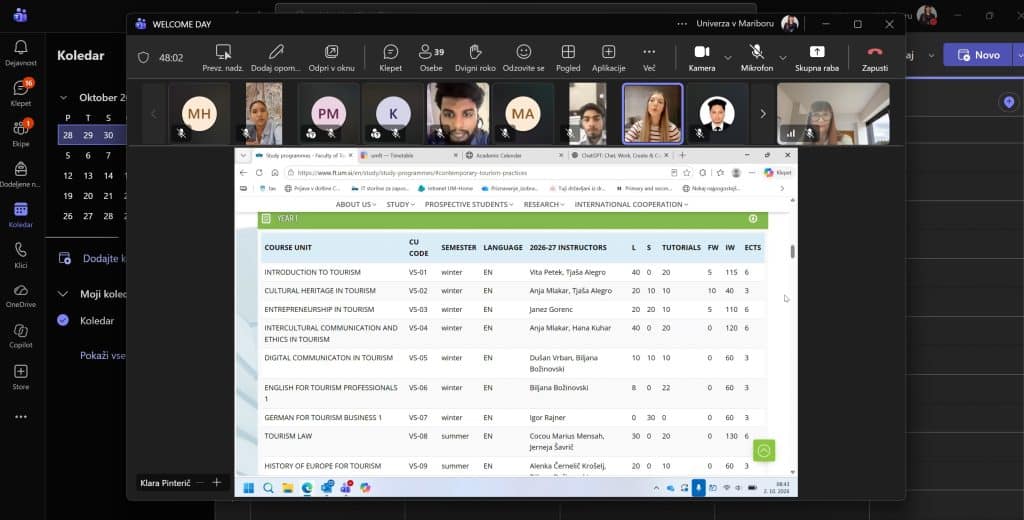
The new academic year therefore begins with both Slovenian and international students, in Brežice and Ljubljana, and with an important new addition to the Faculty – our premises at Trg izgnancev 1. In the years ahead, they will become a place for studying, collaboration and everyday Faculty life.
We wish all our students, and especially those who are beginning their studies with us this year, a successful academic year filled with knowledge, new experiences and opportunities.
World Tourism Day, celebrated on 27 September, focuses this year on the theme “Digital Agenda and Artificial Intelligence to Redesign Tourism”. It invites discussion on how new technologies are changing tourism and how they can support better, more responsible tourism development.
At the Faculty of Tourism, University of Maribor, we are reflecting on the role of artificial intelligence and the importance of human knowledge, decision-making and relationships as AI becomes increasingly integrated into tourism. Two distinguished visiting academics, Professor Marianna Sigala and Professor Nancy McGehee, shared their perspectives on this year’s theme with us.
Professor Marianna Sigala of the University of Newcastle, Australia, specialises in digital technologies and their applications and impacts in tourism and hospitality. We welcomed her as a keynote speaker at TEDU26 – Wine and Heritage: Tourism Between Tradition and Innovation, an international academic and professional conference held in Brežice from 23 to 25 September 2026.
In her message, she emphasises that AI is already part of tourism and that its impact depends on how we use it. It can help us complete tasks more quickly, but people must decide what they want to achieve with it and why. Shaping the future of tourism therefore requires people to take an active role in guiding the use of technology.
Professor Nancy McGehee of Virginia Tech, United States, who is currently visiting our faculty, is a professor of hospitality and tourism management. Her research and teaching focus on tourism development that puts local communities at its heart.
While acknowledging the importance of AI and digitalisation, she highlights what makes tourism special: human warmth, hospitality and connections between people. She stresses the need to preserve these qualities as we explore and embrace new technological opportunities.
Their messages invite us to consider how we can make the most of AI while preserving what remains at the heart of tourism: people and their relationships.
We invite you to watch both video messages below.
We would like to inform you that the timetable for the winter semester of the 2026/27 academic year has been published and is available at the following link: Wise Timetable.
The timetable may be subject to change, so please check it regularly. If a timetable change is made less than 48 hours before a lecture, you will receive a notification at your student email address. If the change is known more than 48 hours in advance, it will only be published in the timetable, without an additional email notification.
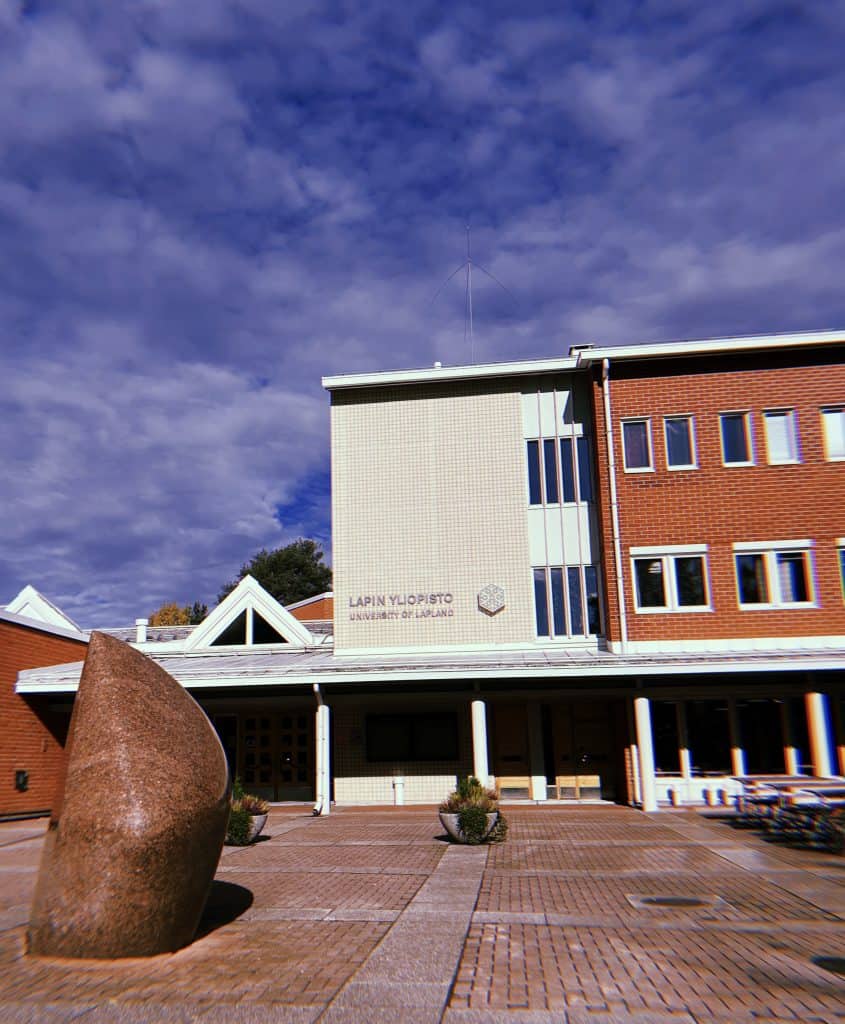
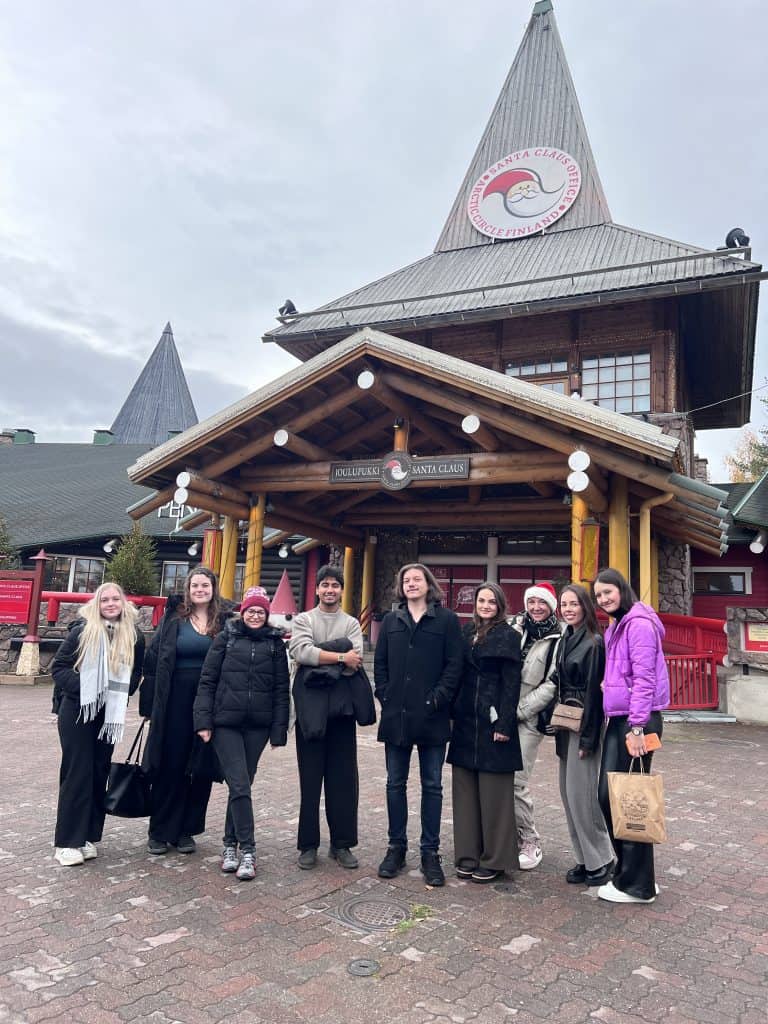
This year, our students once again took part in the international BIP programme Christmas Experience Academy (CEA), which brought together students and lecturers from the University of Lapland, University of Maribor, University of Lisbon and University of the Balearic Islands in Rovaniemi.
The week offered a diverse programme of lectures and activities focusing on the design of tourism experiences, the experience economy and value creation, immersive technologies in tourism, destination imaginaries, tourist attractions, gastronomic experiences, as well as the role of Sámi culture and local entrepreneurship in tourism.
The Christmas Experience Academy was not limited to the classroom. An important part of the programme was dedicated to experiencing tourism in practice. Students explored Rovaniemi and its history, discovered local gastronomy and cultural offerings through a visit to Korundi House of Culture, and visited Santa Claus Village, Santa's Pets, Husky Park, Glass Resort Igloos, Bearhill Husky, as well as other tourism attractions and providers.
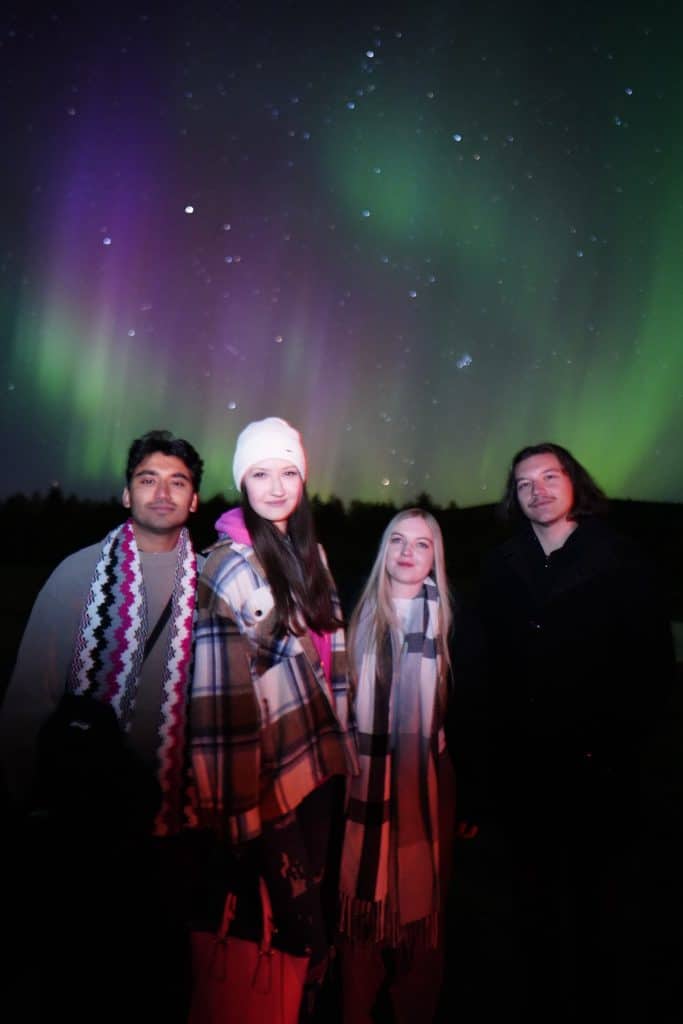
The week concluded with an exploration of tourism experiences connected to one of Lapland's most recognisable natural phenomena – the Northern Lights.
Our sincere thanks to the University of Lapland for the invitation, excellent organisation and cooperation in delivering another successful edition of the Christmas Experience Academy.
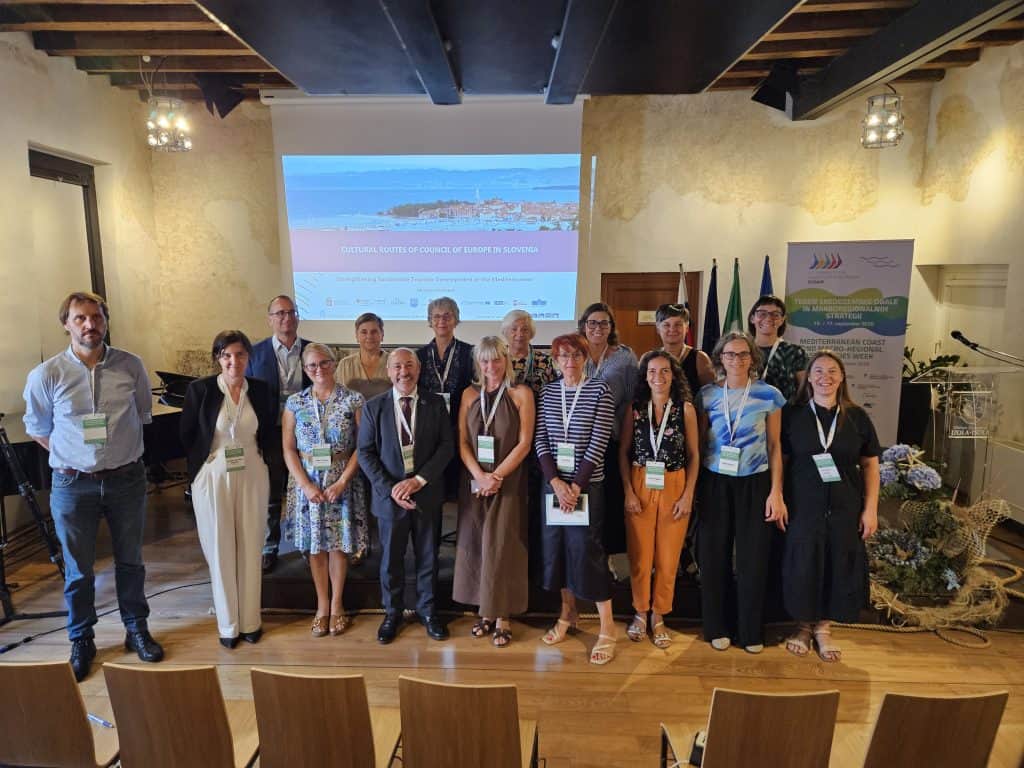
As a partner in the Interreg Euro-MED project ECO-SEAROUTES, the University of Maribor, Faculty of Tourism, actively contributes to the development of more sustainable tourism models in the Mediterranean. On 14 and 15 September 2026, the project brought together representatives of the Cultural Routes of the Council of Europe in Slovenia and Rui Gomes, Executive Secretary of the Enlarged Partial Agreement on Cultural Routes of the Council of Europe and Director of the European Institute of Cultural Routes, on the Slovenian coast.
Our colleague Dr Maja Turnšek actively participated in the event, presenting the ECO-SEAROUTES project and moderating the discussion on the role of Cultural Routes in supporting sustainable tourism in the Mediterranean.
The event was organised as a parallel event to the 11th Mediterranean Coast and Macro-Regional Strategies Week.
The Interreg Euro-MED project ECO-SEAROUTES promotes eco-nautical routes as a way of easing the pressure of mass tourism on the Mediterranean coast. The project aims to develop and disseminate a new tourism model that redistributes visitor flows away from threatened and overcrowded coastal areas and towards neighbouring coastal and inland destinations, while spreading the benefits of tourism more evenly across the region.
Its main ambitions include:
- redistributing tourism flows away from overcrowded tourism hotspots;
- strengthening cooperation across the Mediterranean in the field of sustainable tourism.
The Phoenicians’ Route has been one of the backbones of the ECO-SEAROUTES project. Both ECO-SEAROUTES and the Cultural Routes of the Council of Europe share the same ambition: to guide travellers towards places, heritage and stories that lie beyond the usual tourist trail.
Slovenia currently has network members in 13 certified Cultural Routes of the Council of Europe, while three additional initiatives hope to obtain certification in the future. The event provided an opportunity to bring representatives of the routes together, exchange experiences and discuss possibilities for further cooperation.
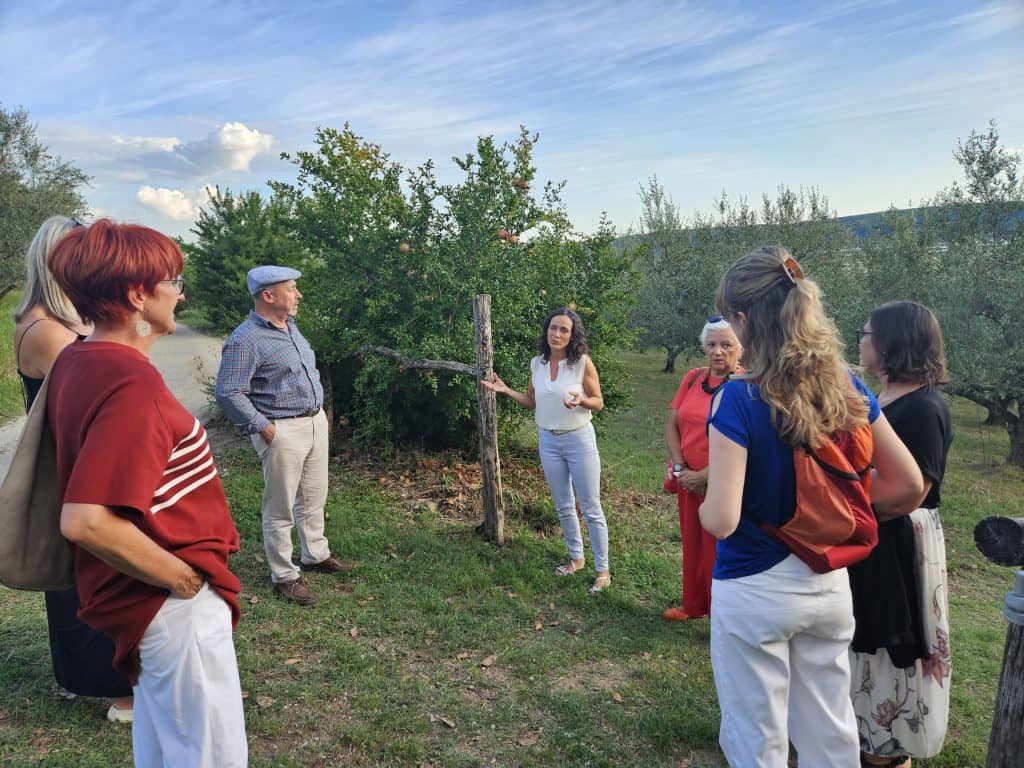
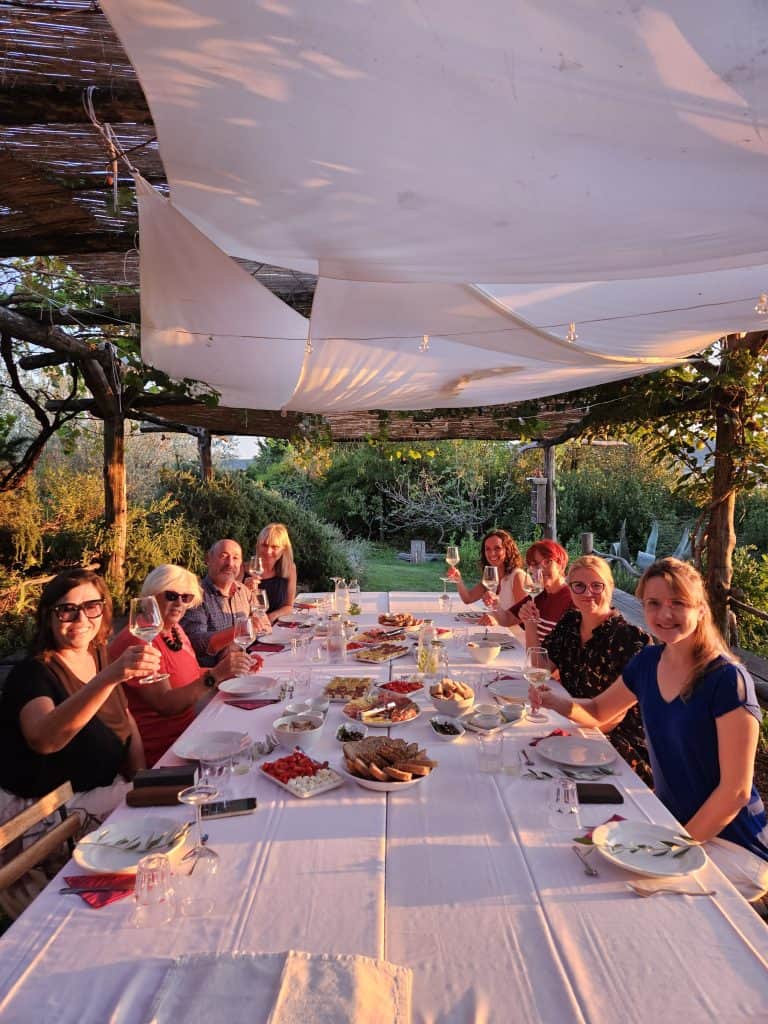
As part of the programme, participants visited Gramona Ecological Olive Farm on the Seča peninsula, presented as an example of good practice in sustainable and environmentally responsible tourism and agriculture.
Rui Gomes, Executive Secretary of the Enlarged Partial Agreement on Cultural Routes of the Council of Europe and Director of the European Institute of Cultural Routes, also participated in several panels of the official programme of the 11th Mediterranean Coast and Macro-Regional Strategies Week.
One of the key sessions was the panel “Cultural Routes in Action: Vision for the Future”, moderated by Irena Marš from the Ministry of Culture of the Republic of Slovenia.
The panellists discussed the potential of the Cultural Routes of the Council of Europe as an established model for advancing sustainable tourism objectives within the framework of EU macro-regional strategies. The discussion highlighted their cross-sectoral contribution to innovative tourism products and sustainable destination management, as well as the importance of cross-border and transnational cooperation in addressing shared challenges.
Particular attention was also given to the European added value of Cultural Routes and the opportunities they may provide for innovative and sustainable investments in the 2028–2034 programming period.
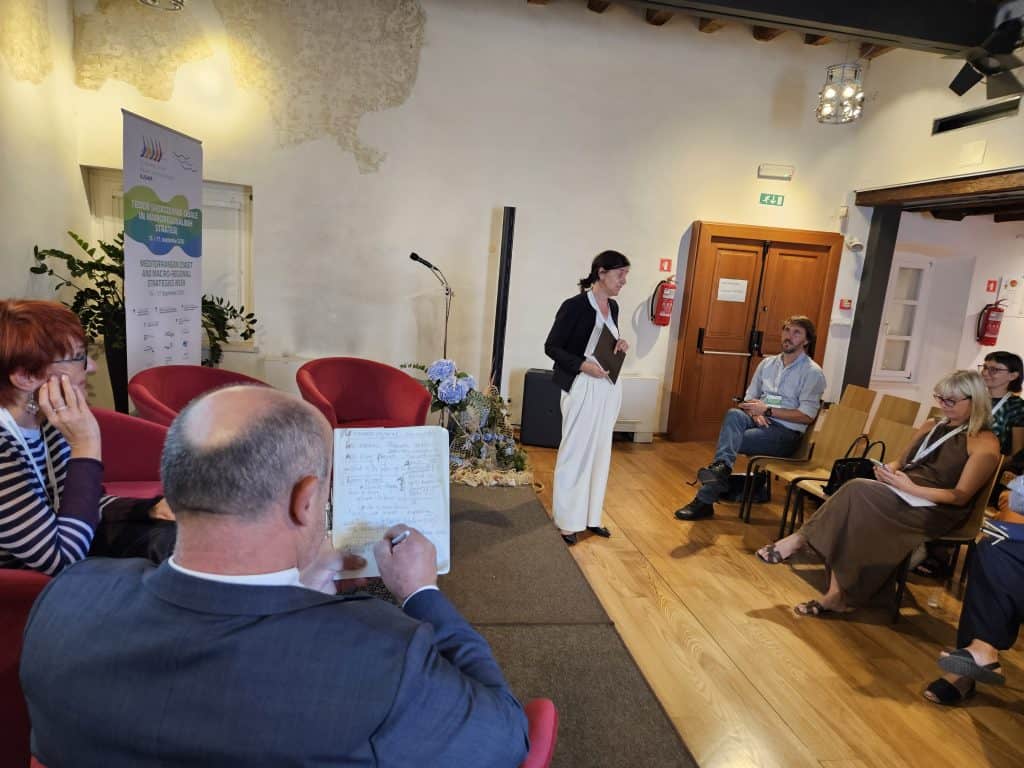
Following the panel, the discussion continued on 15 September in the historic Palazzo Manzioli in Izola, where representatives of the Cultural Routes of the Council of Europe in Slovenia met with Rui Gomes.
The discussion focused on the current state of Cultural Routes in Slovenia, opportunities for further cooperation and their role in achieving more sustainable tourism development across the Mediterranean.
The discussion focused on the current state of Cultural Routes in Slovenia, opportunities for further cooperation and their role in achieving more sustainable tourism development across the Mediterranean.

Today, 24 August 2026, the University of Maribor opened the second application period for non-EU candidates wishing to enrol in postgraduate study programmes in the 2026/2027 academic year. This is a new opportunity to apply for master’s and doctoral studies.
Applications must be completed and submitted through the eVŠ portal by 4 September 2026 to be considered on time.
The first application period for EU candidates also remains open until 4 September 2026.
At the Faculty of Tourism of the University of Maribor, we offer two postgraduate study programmes:
- Master’s programme Tourism Destinations and Experiences
- Doctoral programme Contemporary Tourism Studies
Take the next step in your academic and professional journey—join an international community dedicated to shaping the future of tourism.
We warmly invite you to apply!
For further information, please contact the Student Affairs Office at referat.ft@um.si.
Undergraduate Studies
EU citizens: 20–27 August 2026
The second application period is currently open.
Non-EU citizens: 3–4 September 2026
The second application period will be open for two days.
Postgraduate Studies
EU citizens: until 4 September 2026
The first application period is still open.
Non-EU citizens: 24 August–4 September 2026
All applications must be submitted electronically via the eVŠ portal.
For further information, please contact us at referat.ft@um.si or call +386 8 20 57 067.
More: https://www.ft.um.si/en/prospective-students/study-tourism/#study-programmes
From 23 to 29 August 2026, the Faculty of Tourism, University of Maribor, in cooperation with local partners – the Municipality of Brežice, the Brežice European Film Festival, ZPTM Brežice, the Posavje Museum Brežice and the Brežice Library – will hold the international Summer School of Good Stories: Literary, Film and Wine Tourism in Brežice. Nearly 50 students from more than ten European universities will take part, exploring the role of stories in literary, film and wine tourism through lectures, workshops, fieldwork and meetings with local stakeholders.
The summer school, organised by the Faculty in cooperation with the Department of Tourism and Communication Studies at the University of Zadar and partners from the local community, is designed as an Erasmus+ Blended Intensive Programme (BIP). The first online meeting with participants will take place on Thursday, 20 August, while the main part of the programme will run in Brežice from Sunday, 23 August, to Saturday, 29 August. The programme will conclude with an online evaluation session on 31 August.
Opening of the summer school in the Faculty of Tourism’s new premises
The official opening of the summer school will take place on Sunday, 23 August 2026, at 4 p.m. in the new premises of the Faculty of Tourism, University of Maribor, at Trg izgnancev 1 in Brežice.
At the start of the programme, participants will be welcomed by representatives of the University of Maribor and its Faculty of Tourism, as well as by Ivan Molan, Mayor of the Municipality of Brežice; Mojca Florjanič, Deputy Mayor of the Municipality of Brežice and co-founder of the Brežice European Film Festival; and Dr Aleš Pavlin, the festival’s founder and programme director.
The opening will be followed by a lecture by the head of the summer school, Prof. Dr. Jasna Potočnik Topler, entitled Tourism as Narrative: The Power of Story in Interpreting Place, or When Literature, Film and Wine Meet. That same evening, participants will also visit the Brežice Youth Centre, where they will be welcomed and introduced to Brežice as a youth-friendly and creative municipality with a rich cultural and tourism offer.
Brežice as an international tourism classroom
The central theme of the summer school is storytelling as an important tool in contemporary tourism. The programme combines academic insights with practical workshops, creative work and experiences in the local environment. Students will explore how stories about places, literature, film, cultural heritage and wine can form the basis of engaging and authentic tourism experiences.
The first thematic section will focus on literary tourism and stories of place. Participants will learn about literary trails, the role of place as a character in a story and different approaches to interpreting a place. In cooperation with the Brežice Library, they will also take a literary walk through the town and meet tourist guides from Slovenia and abroad.
The film section of the programme will examine the role of film in shaping the image and visibility of tourism destinations. Students will explore how film narratives influence perceptions of places and how a film location can be developed into a tourism product. They will also consider the use of virtual reality and modern technologies in tourist guiding, and attend film screenings and discussions with filmmakers.
Wine tourism will also form an important part of the summer school. Lectures, a sensory workshop and a visit to a local winery will allow participants to discover how wine heritage, wine tasting and winemakers’ stories can be incorporated into comprehensive tourism experiences.
The programme also includes travel writing and creative writing workshops, during which students will work in international groups to develop their own ideas for literary, film and wine tourism itineraries. They will present the resulting projects on Friday, 28 August, under the shared title Good Stories as a Tourism Product.
Collaboration with the Brežice European Film Festival
This year, the summer school is closely linked to the Brežice European Film Festival, which will take place in the town from 26 to 29 August 2026. Students will attend film screenings, take part in discussions with filmmakers, and analyse how film tells stories about places and influences visitors’ interest in destinations.
The connection between the summer school and the festival will bring students, researchers, tourism professionals, filmmakers and the local community into direct contact. Brežice will therefore be more than merely the host of the summer school: it will become its central learning environment, a town where stories, heritage, film, wine and contemporary tourism meet.
The programme will bring together lecturers and experts from Slovenia and abroad, including representatives of the University of Maribor, the University of Zadar, the University of Montenegro, the University of Algarve, CETT Barcelona School of Tourism, Hospitality and Gastronomy, and other partner institutions. The programme also involves the Posavje Museum Brežice, the Brežice Library, the Municipality of Brežice, the Brežice European Film Festival, the ARGOS Association of Regional Tourist Guides of Slovenia, tourist guides from Slovenia and abroad, and local providers.
The international summer school will enable participants to acquire new knowledge, collaborate across cultures and create concrete tourism products. At the same time, it will enhance the international visibility of Brežice as a university town – a town of stories, culture and creative tourism experiences.
Summer school programe is available HERE.
We are publishing the instrurctions for enrolment in the next academic year - INSTRUCTIONS FOR ENROLMENT IN THE ACADEMIC YEAR 2026-27 (FOR ENGLISH-PROGRAMME STUDENTS).
Please read the instructions carefully. E-enrolment opens on 17 August.